
Currently Empty: £0.00
Safe Ways to Buy Armodafinil Online in the UK
This short guide gives clear information on how to access wakefulness therapy safely through licensed UK services. It explains the prescription rules and the steps reputable pharmacies use to confirm suitability. The aim is to make the process simple and trustworthy for readers.
Armodafinil supports wakefulness for people with recognised disorders such as narcolepsy and for those who face excessive daytime sleepiness. It is used as part of a wider treatment plan to manage sleep patterns and help performance during the day.
Safety matters: this medication is prescription-only in Britain. A registered clinician must assess you via an online or face-to-face consultation before a regulated pharmacy will dispense genuine products. Good services provide discreet packaging, tracked delivery and next-day options so patients receive therapy promptly.
This practical guide will cover who suits treatment, how the drug works, usual dosing and timing, known effects and side effects, key interactions and the step-by-step process for ordering responsibly. Read on for clear, safety-first advice on using this treatment under medical supervision.
Why choose Armodafinil for daytime wakefulness and shift work
Many people choose armodafinil because it helps maintain alertness across varied causes of daytime sleepiness. It supports wakefulness for conditions such as narcolepsy and for those who still feel sleepy despite CPAP therapy for obstructive sleep apnoea.
Benefits for narcolepsy, sleep apnoea and shift work sleep disorder
This medicine can reduce excessive daytime sleepiness, helping people stay awake and function better at work or study. For narcolepsy, steady daytime wakefulness often improves independence, driving safety and general quality of life.
When used alongside CPAP for obstructive sleep, it targets residual sleepiness rather than replacing airway treatment. For shift work, taking a dose about an hour before a night shift aligns peak effects with critical periods of concentration and safety.
How it helps reduce excessive daytime sleepiness
The drug acts on brain arousal pathways including dopamine and norepinephrine, and engages orexin-linked systems by analogy to similar compounds. This boosts alertness without strong motor stimulation and aims to let normal sleep return once the effects wear off.
Individual responses vary, so clinicians tailor dose and timing. Medical oversight balances benefits and possible effects or interactions for those with complex health needs.
Legality and safety in the United Kingdom
Access to wakefulness medicines is regulated. This drug is prescription-only and UK law requires a registered prescriber to review clinical details before any supply. That ensures a clinician confirms suitability for specific sleep disorders and risks are assessed.
Prescription-only status and UK regulatory stance
The NHS generally limits wakefulness agents to narcolepsy and related conditions. Other uses need careful clinical justification or private prescribing. Buying without a valid prescription is illegal and exposes people to danger.
Why licensed UK pharmacies matter
Licensed pharmacies follow strict standards: they check medical details, verify identity when needed, and dispense genuine medications with patient leaflets. Regulated supply chains keep stock temperature-controlled and traceable.
Most reputable services use secure online forms, clinician review, prescription issue and pharmacy fulfilment with tracked, discreet delivery—often next day. Always look for UK registration details and contact information before sharing personal data.
Warning: unregulated sellers risk counterfeit products, wrong doses, missing safety leaflets and legal consequences.
Who Armodafinil is suitable for
This section explains who is most likely to benefit from wakefulness medication and when a clinician might recommend it.
Narcolepsy and persistent sleepiness
Narcolepsy is the primary approved indication. It is used where persistent daytime sleepiness or sudden sleep episodes disrupt daily life despite adequate night-time sleep.
Clinicians look for clear daytime impairment before prescribing and will tailor dosing to morning schedules for most people with narcolepsy.
Obstructive sleep apnoea alongside CPAP
When residual sleepiness persists despite proper CPAP or other airway therapy, medication may be considered to target remaining symptoms.
This medicine does not treat the airway problem itself; CPAP adherence remains essential for safety and long-term health.
Shift work and irregular schedules
Those working nights or rotating shifts can sometimes benefit from carefully timed dosing to boost alertness during duty.
Clinicians assess lifestyle, the ability to take doses consistently, and risks such as uncontrolled hypertension, heart disease or psychiatric history before recommending treatment.
Note: behavioural sleep strategies are often tried first. Medication is added if excessive daytime sleepiness continues and the prescriber judges the benefits outweigh risks.
How Armodafinil works compared with modafinil
Here we explain how the R‑enantiomer differs from the racemic compound and what that means for daily use.
Wakefulness-promoting mechanism and brain pathways
Armodafinil contains the active R‑enantiomer and tends to act longer than the original drug. Both agents modulate dopamine transport and influence GABA and glutamate systems. This downstream activity helps activate orexin-related pathways that stabilise wakefulness without strong motor stimulation.
Duration, dosing strengths and what to expect
The half-life of the R‑enantiomer supports once‑daily morning dosing. Many products use a 150 mg tablet, while traditional doses for the racemate range around 100–200 mg depending on clinical judgement.
Practical effects: users often report a smoother alertness profile and fewer late‑afternoon dips in concentration compared with older stimulants. Clinicians individualise dosage and timing to balance benefits and sleep quality.
How to take it: swallow the tablet whole with water and avoid late-day use to protect night-time sleep. Expect variable response; your prescriber may adjust dose or timing for best tolerability and effect.
Recommended dosage and how to take it
Knowing when and how to take the tablet ensures the best balance between alertness and rest. Follow your prescriber’s advice, as they tailor dose and timing to your needs.
Typical dose and timing for narcolepsy and obstructive sleep apnea
Most regimens use a single morning dose for narcolepsy and obstructive sleep apnea to support alertness through the working day. Common strengths for the R‑enantiomer are 150 mg once daily; traditional modafinil regimens often use 200 mg once daily.
Shift work timing to stay alert on duty
For shift work, take the dose roughly one hour before a night or early shift. This aligns peak effect with the most demanding part of the shift and helps reduce unsafe drowsiness while at work.
Starting low, special liver considerations and older adults
Clinicians usually start at a low dose and adjust based on response and tolerability rather than moving straight to higher strengths. In severe liver impairment they commonly halve the dose because metabolism is slower. Older adults should begin low and titrate slowly with closer follow-up.
Taking with or without food and storage tips
Tablets can be taken with or without food; a consistent routine helps. Avoid late dosing to reduce insomnia risk.
Keep tablets in the original pack at 20–25°C in a dry place, away from heat and moisture. Remember this medicine complements CPAP for obstructive sleep apnea and does not replace primary airway therapy.
Side effects and safety considerations
Knowing typical side reactions and serious warning signs makes it easier to spot problems early. This section summarises common complaints and rare but important harms so people can use the treatment with confidence and clear expectations.
Common effects to expect
Headache, nausea, dry mouth and diarrhoea are among the most frequent side effects. You may also feel dizziness, anxious or have trouble sleeping if a dose is taken too late.
Try taking the tablet earlier in the day and keep a short diary of symptoms to share at follow-up.
Serious and rare reactions
Some reactions are uncommon but need urgent attention. These include severe skin blistering, sudden mood or behaviour changes, hallucinations and chest pain.
If you develop a spreading rash, breathing difficulty, or signs of a multi‑organ reaction, stop the drug and seek immediate medical help. Monitor heart rate and blood pressure if you have cardiac risk factors.
Dependence risk and sensible use
Long-term or high-dose courses can lead to tolerance and dependence. Do not stop abruptly after prolonged use; a clinician should advise tapering.
Safety tips: avoid combining other stimulants without medical advice, report palpitations promptly, and request dose adjustments if anxiety or insomnia affect daily life or worsen daytime sleepiness or narcolepsy symptoms.
Interactions and who should not use Armodafinil
Interactions with other medicines matter. This drug can alter how several medications work via CYP3A4 induction and effects on CYP2C19. Tell your clinician about every prescription, over‑the‑counter product and herbal supplement you take.
Be cautious with stimulants and some antidepressants. Combining with stimulants (for example methylphenidate or amphetamines) may raise heart rate and blood pressure. Certain antidepressants — including tricyclics and some SSRIs, bupropion or duloxetine — may need review or monitoring.
Contraception and reproductive safety
The treatment can reduce the effectiveness of hormonal contraception. Use additional reliable methods during therapy and for a period after stopping. Discuss pregnancy plans and breastfeeding with your prescriber, as evidence is limited.
When to avoid or take special care
Avoid or use caution if you have uncontrolled high blood pressure, serious cardiac disease, abnormal heart rhythm, significant liver impairment or a history of substance misuse. People with active psychiatric disorders need close supervision because rare mood or psychotic reactions can occur.
Review regularly: have periodic checks of blood pressure, liver status if relevant, and an up‑to‑date list of medicines. Clinicians will individualise decisions to keep treatment safe and appropriate for each condition, whether narcolepsy, sleep apnea or shift work needs.
Buy Armodafinil Online in uk
Accessing prescription wakefulness treatment starts with a secure medical questionnaire and a clinician review. This simple route gives clear information and protects safety for people who need daytime support.
How to order from licensed UK pharmacies
Complete a secure medical form that asks about health, current medications and sleep history. A UK-registered prescriber reviews answers and issues a prescription only if clinically appropriate.
Reputable services show registration details, patient leaflets and contact support so you can ask questions before or after ordering.
Online consultation and prescription process
The consultation is usually asynchronous or a short video call. If approved, the pharmacy dispenses genuine medications and includes dosage instructions to help you stay awake safely.
Tell your GP where relevant to keep records up to date and maintain continuity of care.
Delivery options: next-day, tracked and discreet packaging
Many pharmacies offer next-day dispatch; some provide same-day in select areas. Orders are tracked and arrive in discreet packaging on the day expected.
Check cut-off times so delivery fits your work schedule and shift work patterns, and plan to start your morning routine without delay.
Pricing guide and ways to save
Costs for wakefulness therapy vary widely, so clear information helps you plan ongoing treatment without surprises.
Typical UK price ranges
Generic wakefulness medicines online often range from about £50–£120 for 30 tablets. High‑street prices can be higher, sometimes £200–£280 for the same quantity.
Bulk buys can cut per‑tablet costs to roughly £1.00–£2.50, which lowers the per‑day expense for regular use.
What affects price
Strength matters: a 100 mg versus a 200 mg tablet will change the cost per unit and the prescribed dose.
Brand versus generic status, pack size and supplier type also influence what you pay. The chosen medication name and manufacturer can affect price even for similar products.
Tips to save: compare licensed pharmacies by like‑for‑like strengths and quantities, set reminders for repeat prescriptions to avoid urgent delivery fees, and don’t bulk‑buy larger doses while your regimen is still being adjusted. The cheapest medication is not always best value — ensure it comes from a regulated source with proper support.
Authenticity checks and responsible sourcing
A few quick authenticity checks protect you from counterfeit medicines and legal risks. Follow these steps before confirming any order so the treatment you receive matches your prescription and medical needs.
Recognising genuine medication and secure websites
Look for a visible UK pharmacy registration number and a full postal address on the site. Reputable services show clinician credentials, tracked delivery options and clear contact details.
Check packaging for intact blisters, batch numbers, expiry dates and a proper patient information leaflet. Confirm the drug name and strength match your prescription and that dosing instructions are easy to find.
Avoiding unlicensed sellers and legal risks
Unlicensed sellers may offer falsified or substandard products, wrong doses or items unsuitable for your conditions. That raises the risk of harmful side effects and legal problems.
Use secure payment methods, look for HTTPS and keep order receipts and packaging until treatment is complete. Licensed pharmacies will ask about your medical history and disorders to ensure the medications are appropriate.
Bottom line: verifying registration, packaging and clinical oversight helps you stay awake effectively while minimising avoidable risks from poor‑quality or mislabelled products.
Ready to enhance safe wakefulness support today
If you need reliable wakefulness support, rely on a clinician-led pathway and a trusted pharmacy supply. This drug can offer steady alertness for people with narcolepsy, certain shift patterns or residual sleepiness from narcolepsy sleep apnoea when used under medical review.
Start by completing the consultation, confirm the right dose and arrange prompt delivery from a licensed dispenser. Take the prescribed dosage earlier in the day to protect night-time sleep and monitor how the drug affects your brain and alertness.
Watch for side effects such as dizziness, mood change or skin reactions. Check blood pressure if advised and seek tailored advice for pregnancy, breastfeeding, complex conditions or a history of substance use.
With the right prescription, clear instructions and sensible follow-up, you can maintain daytime focus with confidence.
FAQ
Q: What is the safest way to obtain armodafinil in the UK?
A: The safest route is via a prescription from a UK clinician and dispensing through a licensed pharmacy. Use an online pharmacy registered with the General Pharmaceutical Council (GPhC) or visit a local pharmacy with your prescription. This ensures the product is genuine, properly stored and accompanied by professional advice on dosing and safety.
Q: Why might someone choose armodafinil for daytime wakefulness and shift work?
A: Armodafinil is a wakefulness-promoting medicine used to reduce excessive daytime sleepiness. It can help people with narcolepsy, those with residual sleepiness from obstructive sleep apnoea using CPAP, and employees working night or rotating shifts who need to stay alert during duty hours.
Q: How does armodafinil help with narcolepsy, sleep apnoea and shift work sleep disorder?
A: The drug promotes alertness by acting on brain pathways involved in wakefulness. For narcolepsy it reduces undesired sleep episodes. In obstructive sleep apnoea it treats residual daytime sleepiness when CPAP therapy does not fully restore normal wakefulness. For shift work disorder it supports concentration and safety during atypical working hours.
Q: Is armodafinil legal and safe to use in the United Kingdom?
A: Armodafinil is a prescription-only medicine in the UK. When prescribed and supplied by regulated professionals it is considered safe for approved indications. Buying from unregulated sellers carries legal and health risks, including counterfeit or contaminated products.
Q: Why does it matter to use a licensed UK pharmacy?
A: Licensed pharmacies adhere to quality standards, record keeping and storage requirements. They also offer pharmacist advice on interactions, side effects and monitoring. This reduces the chance of receiving ineffective or dangerous products and protects your legal rights as a patient.
Q: Who is suitable for armodafinil treatment?
A: Suitable candidates typically include adults diagnosed with narcolepsy, people with ongoing daytime sleepiness despite adequate CPAP for obstructive sleep apnoea, and workers with clinically diagnosed shift work sleep disorder. A clinician will assess medical history, sleep patterns and coexisting conditions before prescribing.
Q: Can people with obstructive sleep apnoea take armodafinil alongside CPAP?
A: Yes. It is commonly prescribed when CPAP or other treatments control breathing but daytime sleepiness persists. The prescriber will ensure sleep apnoea therapy is optimised first and check for other causes of sleepiness before starting medication.
Q: How does armodafinil differ from modafinil?
A: Both drugs promote wakefulness, but armodafinil is the R‑enantiomer of modafinil and may have a longer or more consistent duration in some people. Clinical effects and tolerability vary individually; dosing strengths and onset can differ, so a prescriber will choose the best option per patient.
Q: What dose and timing are typical for narcolepsy and sleep apnoea?
A: Typical starting doses are determined by a clinician and often taken once each morning. Exact dose depends on the condition, severity and patient factors. Your prescriber will advise the appropriate strength and whether any dose adjustments are needed.
Q: How should shift workers time their dose to stay alert on duty?
A: Timing is tailored to the individual shift pattern. Many take a dose shortly before the start of a night shift to promote alertness during work. A clinician will balance benefits with the risk of insomnia once the shift ends and advise a schedule that minimises sleep disruption.
Q: Are there special considerations for starting low, liver issues and older adults?
A: Yes. People with liver impairment or older adults may need lower starting doses and closer monitoring because the liver metabolises many medicines. Always disclose liver disease, alcohol use and other medical history so the prescriber can adjust dosing safely.
Q: Can armodafinil be taken with or without food and how should it be stored?
A: It can be taken with or without food; however, a consistent routine helps. Store tablets in a cool, dry place away from direct light and out of reach of children. Follow the pharmacy’s storage guidance printed on the label.
Q: What common side effects should I expect?
A: Common effects include headache, nausea, dizziness and trouble sleeping. These are usually mild and may lessen after a few days. If side effects persist or worsen, consult your prescriber or pharmacist.
Q: What serious or rare reactions should prompt immediate medical attention?
A: Seek urgent help for skin rashes, blisters, severe allergic reactions, sudden mood changes, hallucinations, chest pain or rapid heartbeat. These rare events require immediate assessment and stopping the medicine may be necessary.
Q: Is there any risk of dependence or misuse?
A: Armodafinil has a lower abuse potential than classic stimulants, but any wakefulness medicine should be used as prescribed. Misuse or combining it with other stimulants can increase risks. Your clinician will review ongoing need and monitor for problematic use.
Q: Which medicines interact with armodafinil?
A: Interactions include drugs metabolised by CYP3A4 and certain antidepressants and stimulants. It can also reduce the effectiveness of hormonal contraception. Always provide a full medicines list to your prescriber and pharmacist to check for interactions.
Q: What if I take hormonal contraception?
A: The medicine can reduce some hormonal contraceptives’ effectiveness. Discuss alternative or additional contraception methods with your clinician while taking armodafinil and for a short period after stopping.
Q: Who should not use armodafinil?
A: People with uncontrolled high blood pressure, unstable heart disease, a history of severe psychiatric reactions, active substance misuse, or significant liver impairment may be advised against it. Pregnancy and breastfeeding also require specialist discussion and usually avoidance unless benefits outweigh risks.
Q: How does the online prescription and ordering process work with licensed pharmacies?
A: Reputable services offer an online consultation with a clinician who reviews your history. If appropriate, they issue a valid prescription sent to a GPhC-registered pharmacy for dispensing and tracked delivery. Never use sites that skip clinical assessment.
Q: What delivery options are typically available?
A: Licensed pharmacies usually offer tracked delivery, next-day services and discreet packaging. Confirm delivery times and any additional fees before completing your order.
Q: What are typical UK price ranges and ways to save?
A: Prices vary by strength, quantity and brand. Buying larger quantities on prescription repeats or using licensed generic brands may reduce cost. Always prioritise licensed suppliers over cheaper unverified sources.
Q: How can I check medication authenticity and avoid unlicensed sellers?
A: Verify the pharmacy’s GPhC registration, look for secure website indicators (HTTPS), and check packaging for batch numbers and expiry dates. Avoid cash-only sellers, unusually low prices and sites without clinical checks.
Q: What legal risks exist when sourcing from unregulated sellers?
A: Purchasing from unregulated sources may breach UK law and exposes you to counterfeit or unsafe products. It also removes the protections offered by regulated healthcare professionals and pharmacies.
Q: Where can I get more information about safe wakefulness support?
A: Speak to your GP, a sleep specialist or a pharmacist. Trusted resources include NHS.uk and the General Pharmaceutical Council for guidance on prescription medicines, sleep disorders and reputable pharmacy services.
Showing all 7 results

Armod 150 Mg Tablets contain Armodafinil, a medication used to treat excessive daytime sleepiness associated with narcolepsy, obstructive sleep apnoea, or shift work sleep disorder. It helps enhance alertness, ...
£1.50

MyMedsShop offers a secure and convenient way to buy Armod 50 mg tablets online in the UK. Designed to treat excessive daytime sleepiness from narcolepsy, sleep apnea, or shift ...
Price range: £85.00 through £475.00
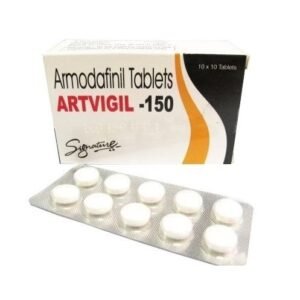
MyMedsShop offers a secure and reliable way to buy Artvigil 150 mg tablets online in the UK. Designed to treat excessive sleepiness from narcolepsy, sleep apnea, or shift work ...

MyMedsShop offers a secure and reliable way to buy Artvigil 250 mg tablets online in the UK. This high-strength wakefulness medication helps manage excessive sleepiness from narcolepsy, sleep apnea, ...
£1.40
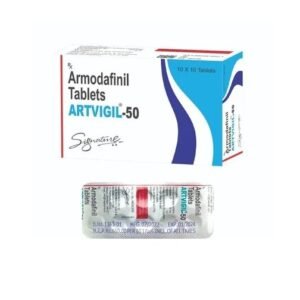
MyMedsShop offers a safe and convenient way to buy Artvigil 50 mg tablets online in the UK. Ideal for managing mild daytime sleepiness from narcolepsy, sleep apnea, or shift ...
£1.10

Waklert 150 Mg Tablets contain Armodafinil, a wakefulness-promoting medication used to treat excessive daytime sleepiness caused by narcolepsy, sleep apnoea, or shift work sleep disorder. It helps improve alertness, ...
£1.00

Waklert 50 Mg Tablets contain Armodafinil, a medicine used to treat excessive sleepiness caused by conditions like narcolepsy, sleep apnoea, and shift work sleep disorder. It helps you stay ...
£1.20
